What does competition is for losers mean?
It is not about beating everyone else. It means not playing the same game at all, because when everyone sells the same thing, nobody keeps the money
Everyone is selling the same AI tools, demos and automations, and the profit gets competed away. The boring part of a business is where nobody is competing
The five operational mistakes, what each one costs and where to start
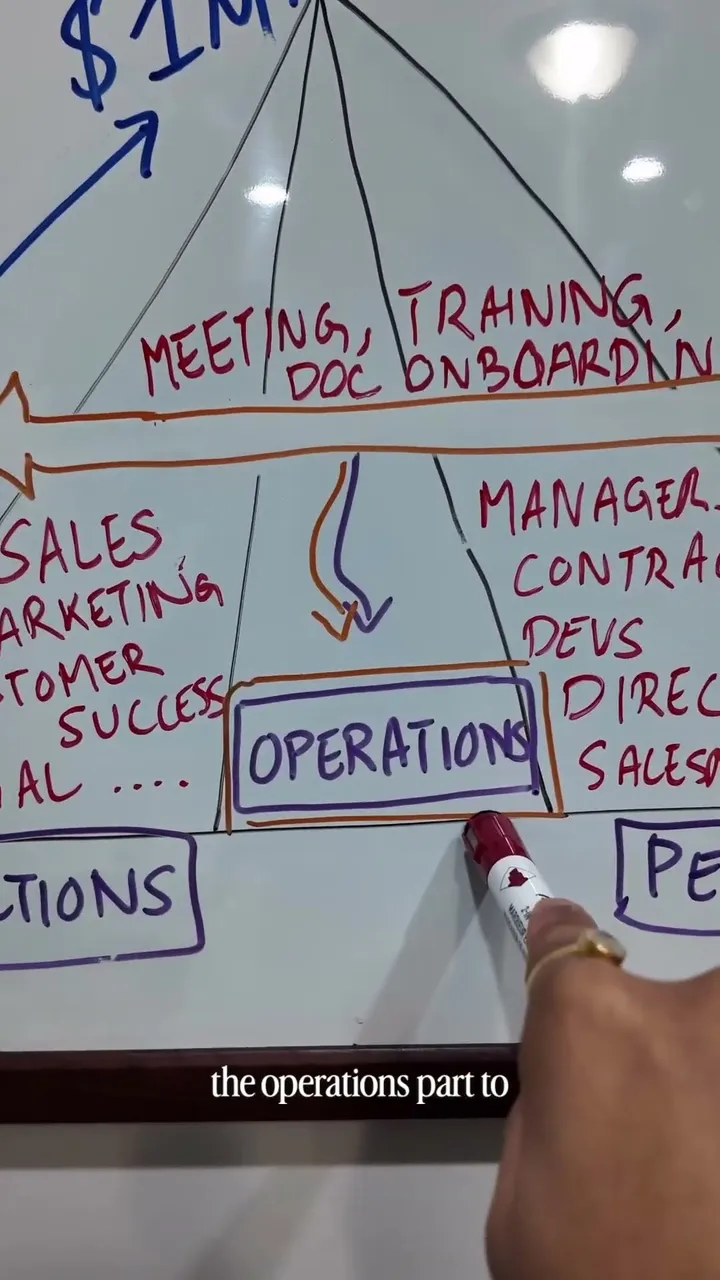
When everyone sells the same thing, the profit gets competed away. In AI right now, a thousand people sell the same tools and demos they learned from the same videos. What usually decides whether a business grows is the boring part: how the work actually runs when the owner is not in the room.
It is not about beating everyone else. It means not playing the same game at all, because when everyone sells the same thing, nobody keeps the money
Copying feels safe. Seeing something work for someone else tells your brain it is proven, so a thousand people end up chasing the same buyers with the same pitch
The thing that decides whether it grows or stays the same. It is almost never a new tool. It is usually how the work moves when you are not there to push it
The same idea in a short video. It plays here, and nothing loads until you press play
Everybody is racing to put AI into their lives and their businesses right now, and that is exactly why most of them will lose. The math is simple. When everyone sells the same thing, the profit gets competed away between them.
Look at the AI space today. The same tools, the same demos, the same automation pitches, and a thousand people selling exactly what they learned from the same video. It is not really their fault. Copying feels safe, because something that already works for someone else looks proven. So the copycats end up competing with each other, and the businesses doing something different are not even in that fight.
We have worked inside a lot of businesses. The thing that decides whether one grows is never the shiny object somebody sold it. It is the boring part: how the business actually runs when nobody is watching. Who owns the handoff. Where the information lives. What happens when a client is unhappy and the owner is on a plane.
Nobody competes for that, because nobody is looking at it.
Think about the last thing you added to your business or your life. Did it actually move one thing? Or did you buy it because everyone else was buying it?
If you have to think about the answer, you did not invest in anything. You just did not want to be left behind.
Everyone is rushing through the same door, and there is a gate right next to it that nobody is looking at. That gate is the boring question about how your business runs. Start with the seven signs your business runs on one person's memory, or the five operational mistakes that quietly cost service businesses the most.
The five operational mistakes, what each one costs and where to start
 2 min read
 5 min read
 5 min read
You’ll leave the call knowing what’s risky and what to do next